



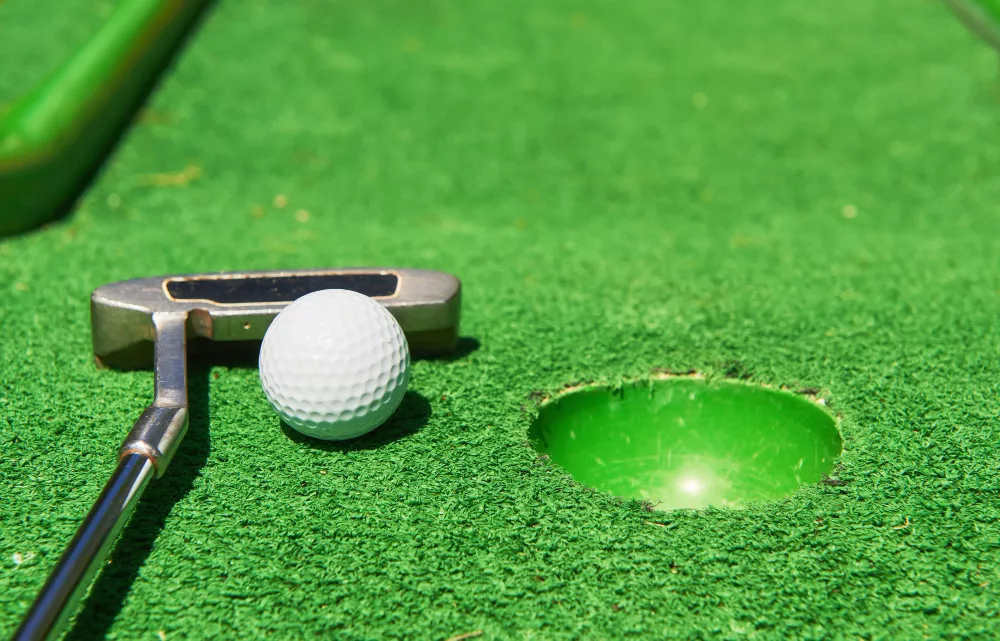
SIK putters sit within the golf club category as a premium putter brand built around Descending Loft Technology on the putter face. The SIK putter concept targets a consistent angle at impact, so a golf ball launches with predictable roll and better distance control across different putting stroke conditions. SIK golf putters often use 303 stainless steel, including 303 stainless steel bars, to support stability, a defined sweet spot, and clean lines inspired by a classic anser profile. The “study in kinematics” idea links golfer motion to loft delivery, so the putt outcome stays repeatable. PGA Tour visibility, including players such as Bryson DeChambeau, helped awareness of sik golf and patented putter design choices. SIK putters are best selling in some fit-focused segments because key features reduce speed variability when the golfer’s hands change at impact.
SIK putter selection depends on how the golfer aims, delivers loft, and controls face rotation. The 20 C Series offers options that suit different arcs, while armlock builds support best armlock putters setups through longer shaft configurations and stable head shapes. Custom fitting focuses on length, lie, loft, and shaft characteristics to match posture and stroke path, not personal information. A fitting session also considers which golf balls you use, because cover feel and speed affect distance calibration. SIK putters can be compared with best putters across categories, including best LAB Golf putters, to separate face technology from balance systems. Purchases sit alongside other golf kit-golf glove, stand bag, range finders, individual irons, fairway wood, and other golf clubs-yet the putter often drives the largest scoring change. Experienced experts also track future brands and LA Golf shaft options as the putter market evolves.
What is a SIK putter and what sets it apart from other putters?
A SIK putter is a premium putter within the golf club category, built around technology that targets more repeatable roll from a wide range of putting stroke deliveries. SIK putters are commonly associated with descending loft technology, a patented putter concept that uses multiple loft planes across the putter face. That design aims to normalise loft at impact so the golf ball starts on a consistent angle, even when a golfer varies hand position. Many sik golf putters use 303 stainless steel (including 303 stainless steel bars) for stability, clean lines, and a defined sweet spot, with shapes that can echo a classic anser look. PGA Tour visibility, including players such as Bryson DeChambeau, also positioned sik golf as a recognised putter brand among best selling options.
How does SIK face loft design improve consistency at impact?
Descending loft technology uses a loft pattern on the putter face so the ball meets a loft plane that fits the delivered shaft lean at impact. When hands press forward, a higher-loft section can help maintain launch; when hands add loft, a lower-loft section can reduce excess launch. That keeps the golf ball closer to an intended start window and supports better distance control. Skilled golfers and experienced experts look for this because small loft changes can alter skid, roll, and speed. The approach is often contrasted with best LAB Golf putters that focus more on balance and torque systems, rather than loft-plane correction. The goal remains the same: stable impact, predictable roll, and fewer surprises across different golf balls.
How do SIK putters improve roll and distance control?
SIK putters improve roll by reducing variation in launch conditions created by dynamic loft changes. The loft of a putter is only the starting point; what matters is delivered loft at impact and how the golf ball leaves the face. By shaping loft across the putter face, the sik putter design aims to reduce speed volatility and improve pace control, which supports better distance control on long putt attempts. Material choices such as 303 stainless steel can also increase stability and feedback, helping golfers identify centre contact on the sweet spot. For many golfers, this is why SIK golf putters appear in “best putters” conversations: the technology targets outcomes (start and roll) rather than only feel. In a full bag of golf clubs-fairway wood, individual irons, and wedges-the putter remains the scoring club most influenced by consistency.
Which impact positions does SIK putter loft design correct for?
SIK putters target three common impact positions that shift delivered loft and launch. The face loft design aims to keep launch closer to optimal across these patterns:
- Forward press at impact: reduces delivered loft; a higher-loft plane can help avoid “dead” launch.
- Neutral hands at impact: uses a middle loft plane to maintain stable launch and speed.
- Adding loft at impact: increases delivered loft; a lower-loft plane can reduce excess launch and skid.
This supports a more consistent angle for the golf ball at the start of the putt. The result is a simpler distance map for the golfer, because the ball starts rolling sooner and behaves more predictably across different golf balls and green speeds.
How does consistent launch reduce skid and improve roll?
Skid happens when the golf ball slides before it transitions to true roll. In golf, reduced skid generally means the ball stabilises earlier, which improves line-holding and speed predictability. Consistent launch supports this transition by keeping delivered loft in a narrower range, so the ball does not pop up or get pressed into the turf. With a sik putter, the aim is that different hand positions still produce a similar launch window, reducing the variability that shows up as short/long misses. That is a practical route to better distance control, especially for mid-to-long putt lengths. Stability from 303 stainless steel bars and balanced head shapes can reinforce centre strikes on the sweet spot, which also reduces gear-effect style deviations. Range finders help measure approach distances, but the putter’s launch and roll control decide the final scoring outcome.
Who should use a SIK putter?
A SIK putter fits golfers who want technology-led consistency without changing their natural putting stroke. The strongest fit is a golfer whose delivered loft varies from putt to putt, or whose pace control changes under pressure. That includes players who forward press, de-loft, or add loft at impact, because loft variation can change how different golf balls launch and roll. SIK golf putters also appeal to golfers who prefer clean lines and classic anser-inspired shapes but still want a modern face concept. Some players first notice SIK through PGA Tour exposure and Bryson DeChambeau, but the practical value comes from repeatability and stability. A full bag-golf glove, stand bag, fairway wood, and individual irons-supports the round, yet the putter is the golf club most sensitive to small delivery changes.
Should you choose a SIK putter for inconsistent pace control?
Yes, if pace control errors come from inconsistent launch and speed off the face rather than reading problems. A sik putter aims to narrow the launch window so speed becomes easier to predict, producing better distance control on lag putts. This becomes more noticeable on fast greens where a small change in delivered loft or strike can create a large distance miss. If your pace control issues come from poor strike location, a stable head and clear sweet spot feedback (often linked to 303 stainless steel construction) can help. Custom fitting also matters: length, lie, and shaft choice can improve posture and repeatability without changing feel. Many golfers compare SIK putters with best LAB Golf putters, but the decision is simple: choose SIK when loft consistency at impact is the main limiter.
Should you choose a SIK putter for changing hand position at impact?
Yes, if your hands vary between forward press and added loft across different putts. The core promise of descending loft technology is tolerance to that change by presenting different loft planes on the putter face. That can keep the golf ball launch closer to a consistent angle, which supports roll stability and speed control. It can also reduce the need to “manipulate” the putter through impact, helping the golfer keep the stroke simpler. This is useful for golfers who practise with multiple golf balls or switch models, where feel changes can prompt hand adjustments. The goal is not to replace skill, but to reduce penalties from small delivery variation. Experienced experts still recommend a fitting to confirm the delivered loft pattern and strike location.
Which SIK putter style fits your stroke?
SIK golf putters come in shapes that influence stability, alignment, and face rotation. The 20 C Series offers multiple head geometries, so the golfer can match the putter to their stroke arc and setup preferences. Blades tend to suit golfers who like a compact look and clear face control; mallets tend to suit golfers who want more stability and easier alignment. Some setups also target best armlock putters configurations, using longer shafts and a more anchored feel to reduce wrist motion. Clean lines and familiar silhouettes (including classic anser styling) help aim, while higher-MOI shapes help protect off-centre strikes away from the sweet spot. Your broader kit-golf clubs like fairway wood and individual irons-may vary by brand, but the putter style choice should match how you deliver the face at impact.
Which SIK putter shape suits your arc and forgiveness needs?
Use stroke shape as the primary filter, then add forgiveness needs:
- Straight or minimal arc: higher stability shapes and face-balanced tendencies often fit best.
- Slight arc: mid-toe hang heads can match natural rotation.
- Strong arc: more toe hang can support a closing face pattern.
Forgiveness needs then decide blade vs mallet. Golfers seeking maximum stability often prefer mallets; golfers prioritising feel and compact visuals often prefer blade shapes. The 20 C Series provides options in both directions, and custom fitting helps confirm start line and speed. This is also where comparisons with best putters and best LAB Golf putters appear, since different designs solve different problems: SIK focuses on delivered loft consistency; other brands may focus on balance or insert feel.
Which hosel type changes toe hang on a SIK putter?
Hosel type changes shaft position relative to the face, which changes toe hang and how the face rotates. In simple terms, more toe hang usually supports more arc; less toe hang supports a straighter path. A plumber’s neck style often adds toe hang; a slant neck can create moderate toe hang; a double-bend shaft often reduces toe hang toward face-balanced behaviour. Shaft choices can also matter: LA Golf options and other premium shaft builds change feel and timing, even if the head stays the same. Range finders measure approach shots, but the putter’s aim and rotation decide whether the golf ball starts on line. Custom fitting avoids collecting personal information beyond what is required for the build.
How do you fit a SIK putter to your setup?
A SIK putter fitting links your setup to how the putter face delivers loft at impact, so the golf ball starts on a consistent angle and holds speed for better distance control. Descending loft technology helps, but fit still decides how well sik putters match your putting stroke. Experienced experts usually start with posture, eye line, and aim, then confirm strike location around the sweet spot. Fit work stays focused on performance data, not personal information, and it often includes testing with the golf balls you actually play. Many golfers notice SIK golf putters through PGA Tour players, including Bryson DeChambeau, yet fitting is the step that turns a premium putter into a scoring tool. A custom build can also include a LA Golf shaft option if timing and feel need refinement.
Which SIK putter specs matter most for fit?
The key features that decide whether sik golf putters suit you are measurable specs that influence aim, start line, and roll. Fit priorities usually follow this order:
- Length: sets posture and eye position over the golf club
- Lie angle: controls toe-up/toe-down contact at impact
- Loft delivery: supports consistent launch with descending loft technology
- Head weight and balance: improves stability through the stroke
- Shaft and grip: tunes tempo and face control, including LA Golf builds
Head material such as 303 stainless steel and 303 stainless steel bars can add stability and clearer feedback. Model choice matters as well; the 20 C Series includes shapes that support different arcs, while best armlock putters builds favour longer length and reduced wrist action. The goal is repeatable contact and predictable roll across different golf balls.
Which putting tests confirm start line and speed?
Putting tests verify whether your sik putter produces stable launch, roll, and pace control across real strike patterns. A simple fitting loop checks start line first, then speed:
- Chalk line or string gate: confirms face aim and start direction
- Impact tape or spray: shows strike location relative to the sweet spot
- 3–6–9 ft ladder drill: checks speed control and confidence on short putt ranges
- 20–40 ft distance ladder: measures better distance control on long putt attempts
- Forward-press vs neutral reps: confirms consistent angle and launch with your stroke
Range finders support approach distances in golf, but putting tests isolate what the putter does at impact. Consistency across multiple golf ball models is also useful, because feel and speed can change with different golf balls.
What is the typical price of a SIK putter?
SIK putters sit in the premium putter segment, so pricing reflects milling, materials such as 303 stainless steel, and the patented putter face concept linked to a study in kinematics. A typical sik putter price rises with custom options, limited finishes, and upgraded shaft builds, including LA Golf. In most markets, new SIK golf putters often price alongside other best putters, while used pricing depends on condition, grip wear, and authenticity checks. Price comparisons matter because some golfers also consider best LAB Golf putters that compete on design philosophy rather than loft correction. Buying a putter brand with strong demand can also mean better resale, especially for best selling head shapes with clean lines. Budget planning still prioritises your scoring clubs over non-essentials, even if your stand bag also carries fairway wood and individual irons.
Where can you buy a genuine SIK putter safely?
Safe buying focuses on authorised channels and verification, because counterfeit golf clubs exist in every category. Start with reputable golf retailers, established fitters, or brand-backed stockists for sik golf putters. For used purchases, confirm the details that match a genuine premium putter:
- Clear milling and clean lines: consistent finishing across the putter face
- Serial or batch identifiers when present: aligned with retailer documentation
- Quality of materials and build: 303 stainless steel feel and stable weighting
- Original accessories and build spec notes: especially on custom orders
A seller’s story should not require sharing personal information. Cross-check claims against photos and simple measurements, then compare the listing to known SIK putters and 20 C Series references. A golf glove test in-hand is fine, but avoid impulse buys based on “tour used” claims tied to players.
How do SIK putters compare with other putter designs?
SIK putters are best known for controlling delivered loft across impact conditions, while other putter designs often prioritise different performance levers. Some putters aim for softer feel through inserts; others increase MOI for stability; others focus on torque management. SIK golf putters target launch and roll consistency through descending loft technology, which can help golfers who change hand position and still want a similar start window. Comparisons often include classic shapes such as a classic anser, because many golfers prefer familiar geometry with modern technology. PGA Tour visibility, including Bryson DeChambeau, shaped awareness, yet the practical comparison is simple: do you need loft tolerance, balance control, or alignment support most. Future brands continue to push new putter face patterns, shafts, and materials, but the scoring goal stays stable roll and dependable speed.
Which putters are the closest alternatives to a SIK putter?
Closest alternatives depend on which problem you are solving: speed control, start line, or face stability. If your priority is balance and face rotation control, best LAB Golf putters are a common alternative set. If your priority is high MOI forgiveness, many mallet-style best putters compete strongly, including armlock-ready options for best armlock putters setups. When comparing alternatives, keep your inputs consistent:
- Use the same golf ball and the same green speed
- Repeat the same putting stroke and impact tempo
- Track start line, skid length, and pace control on long putt attempts
A full bag comparison is not needed; fairway wood, individual irons, range finders, and stand bag choices do not change putter performance. Players often switch putter brand for feel, but the deciding factor remains stable impact, a consistent angle, and repeatable roll.
Frequently Asked Questions:
How does SIK putter technology work?
SIK putter technology works by using Descending Loft Technology (DLT), where loft changes across the putter face to keep launch more consistent when your hands vary at impact.
What makes SIK putters unique compared with other putter brands?
SIK putters are unique because the face loft pattern targets consistent launch and roll across different shaft-lean deliveries, not just feel or head shape.
How do SIK putters affect ball roll and distance control?
SIK putters affect ball roll by reducing launch variation, which helps the ball reach true roll sooner and improves pace predictability for better distance control.
What are SIK putters made of, and how does material affect feel and stability?
SIK putters are made from milled stainless steel (commonly 303 stainless steel), which supports a solid feel, consistent build tolerances, and head stability.
Are SIK putters face balanced, and how does that relate to toe hang?
SIK putters are face balanced in some configurations and toe-hang in others; face-balanced setups suit less face rotation, while more toe hang suits more natural face rotation in an arcing stroke.
What are the main benefits of using a SIK putter for your putting stroke?
The main benefits of using a SIK putter are steadier launch, more repeatable roll, and tighter speed control when delivered loft changes from putt to putt.
How do I choose the right SIK putter head style for my stroke arc?
Choosing the right SIK putter head style means matching blade vs mallet to your stability needs and matching toe hang to your stroke arc (more arc generally pairs with more toe hang).
Should you use a 33-inch or 34-inch putter based on your setup?
A 33-inch or 34-inch putter choice depends on posture and hand position at address: 33″ often fits a more compact setup; 34″ often fits a slightly taller setup.
Is it better to use a heavier or lighter putter for speed control?
A heavier or lighter putter choice depends on tempo: heavier can steady a quick stroke; lighter can feel easier to accelerate for players with smooth rhythm.
Who owns SIK Golf, and who bought SIK putters?
SIK Golf is owned by LA Golf, which acquired SIK Golf.